If you have been treated for cockroaches and the problem persists, there is a good chance the species was misidentified. German cockroaches require completely different products and placement than American cockroaches. Show Me Pest Control starts with the identification.
The Four Pillars of Effective Cockroach Control
The protocol differences that separate a one-treatment result from a recurring problem are specific and technical. These four pillars are where those differences live.
Species ID drives every other decision in the protocol. Wrong identification means wrong product in the wrong location with predictable results. The first 10 minutes of every inspection are devoted entirely to making this call correctly.
The mechanism of gel bait is transfer. A worker cockroach that consumes the bait carries it back to the harborage zone and shares it with other colony members through normal feeding behavior. The active ingredient reaches population concentrations that surface spray never touches - but only if the bait is placed in the right location and the product quality prevents aversion.
Void injection is the treatment that reaches what spraying cannot. An established German cockroach colony living inside the cabinet hinge space or behind the dishwasher motor housing will survive surface treatment indefinitely. Insecticide dust and foam injected directly into the void reaches the colony at its source.
American cockroaches live outside and enter structures at night through gaps around drains, plumbing penetrations, under doors, and through weep holes. The correct treatment is a non-repellent perimeter barrier that they walk through without detecting, combined with structural gap sealing at identified entry points.
Species Biology and Treatment Science
German cockroaches are the most challenging indoor pest to eliminate, and their biology explains why. A single female German cockroach produces an egg capsule (ootheca) containing 30 to 48 eggs and carries it until shortly before hatching. She produces 4 to 8 capsules in a lifetime, meaning a single female generates 120 to 384 offspring. Those offspring reach reproductive maturity in 6 to 10 weeks in warm indoor conditions. The compound population growth this produces in a kitchen or bathroom environment is rapid: a small founding population of a few individuals becomes a significant infestation within 2 to 3 months. German cockroaches do not live or breed outdoors - they are entirely dependent on human structures for food, water, and shelter. This means the population within a structure is fully self-sustaining and grows without input from outside, which is why elimination rather than population reduction is the only meaningful outcome.
American cockroaches - also called palmetto bugs in coastal regions of MT - are peridomestic insects that live outdoors in warm, moist environments: mulched garden beds, storm drains, sewers, wood piles, and the moist soil around foundation plantings. They enter structures at night through gaps around plumbing penetrations (particularly floor drains and under-sink pipe openings), under exterior doors with worn seals, through weep holes in brick veneer, and through any gap at the foundation or basement level. The typical homeowner's description is finding large cockroaches in the bathroom or kitchen in the middle of the night - they are foraging inside the structure and returning outside before dawn. This behavioral pattern means that chemical treatment inside the structure addresses temporary visitors, not the resident population. The correct approach is a non-repellent perimeter barrier at the foundation level that the cockroaches walk through as they enter, combined with sealing of the primary entry points identified at the assessment.
Not sure which type of cockroach you have in Park City?
Call +1-866-315-0243. Species identification is the first 10 minutes of every inspection. It determines everything that follows.
Oriental cockroaches and smokybrown cockroaches are two additional species homeowners in Park City, MT may encounter that are frequently misidentified as either German or American cockroaches. Oriental cockroaches - often called water bugs - are dark brown to black, approximately 1 inch in length, prefer cool and damp environments, and are most commonly found in basement utility areas, floor drains, and crawl spaces. Like American cockroaches, they are peridomestic: they live outside and enter through similar entry points. Treatment follows the perimeter barrier and exclusion approach used for American cockroaches, with additional attention to basement moisture sources. Smokybrown cockroaches, more common in the warmer southern portions of MT, are dark brown with a uniform color (lacking the two-stripe pattern of German cockroaches), approximately 1 to 1.5 inches long, and are attracted to lights at night. They enter structures through similar pathways as American cockroaches but also commonly gain access through attic vents and roof-level gaps. Correct species identification determines which of these behavioral differences is relevant to the treatment approach.
Commercial kitchens in Park City and across MT operate under health department standards that treat any cockroach sighting as a critical violation requiring immediate corrective action. This regulatory context shapes the commercial cockroach management program in specific ways: treatment must be documented to health department standards, zero-tolerance is the threshold (not reduced activity), and the frequency and documentation structure of service visits are part of the compliance record. Show Me Pest Control's commercial kitchen cockroach program in Park City uses exclusively gel bait and non-chemical methods in food-contact areas, provides service visit documentation formatted for health department records, and maintains a station map and historical service log for each account. Monthly service frequency is standard for commercial food service; the frequency is based on the regulatory requirement for ongoing monitoring rather than active infestation presence. Multi-unit residential housing in Park City presents a related challenge: cockroach activity in one unit almost always indicates activity in adjacent units sharing the same plumbing and utility voids. Effective multi-unit treatment coordinates inspection and bait placement across all affected units in a single scheduling window, preventing the dispersal from treated units into uninspected spaces that makes unit-by-unit treatment a recurring cost without a resolution.
What We Provide
Species identification on the first visit determines the entire treatment protocol. German vs. American vs. Oriental vs. Smokybrown - the protocol selection depends on which one you have.
Call to Schedule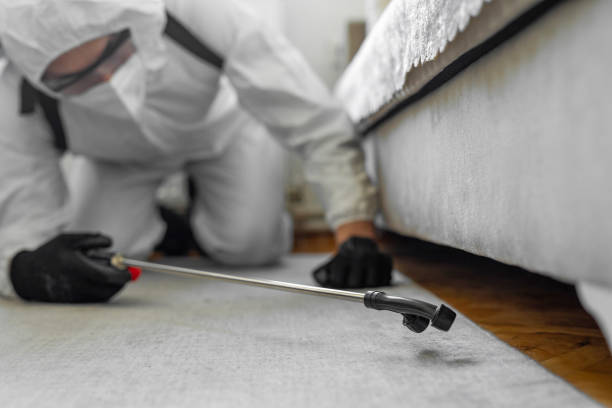
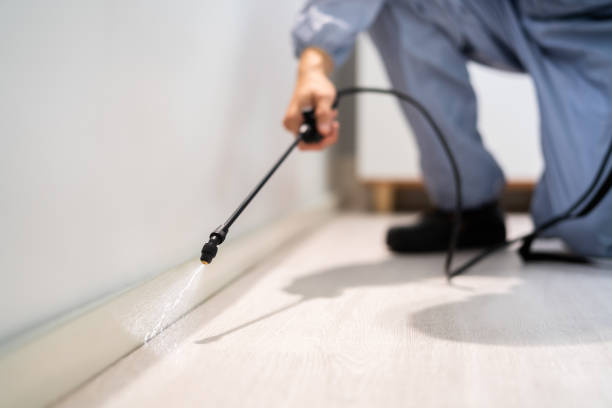
Professional non-repellent gel bait placed inside harborage zones - motor housings, cabinet hinge joints, drawer cavities, and void interiors. Transfer technology reaches the colony population that surface spray never contacts.
Call to Schedule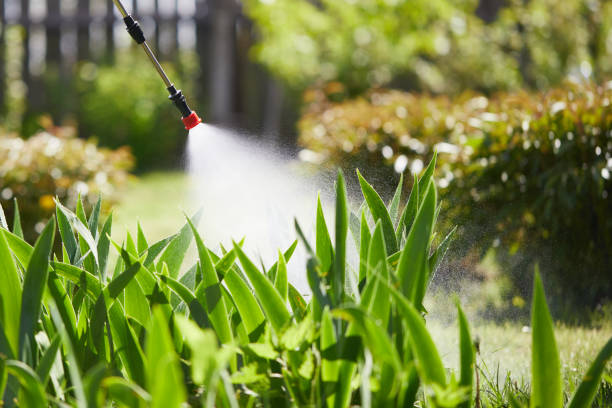
Wall void injection with insecticide dust reaches cockroach colonies in spaces that no spray or bait placement at a surface can access. The colony at its source, not just the individuals that forage from it.
Call to Schedule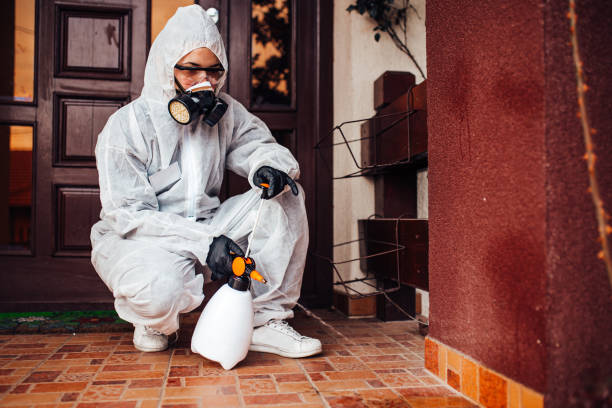
Non-repellent perimeter residual applied at the foundation line - American cockroaches walk through it without detecting it and carry the active ingredient back to the exterior colony. Combined with entry point sealing at drains and pipe penetrations.
Call to Schedule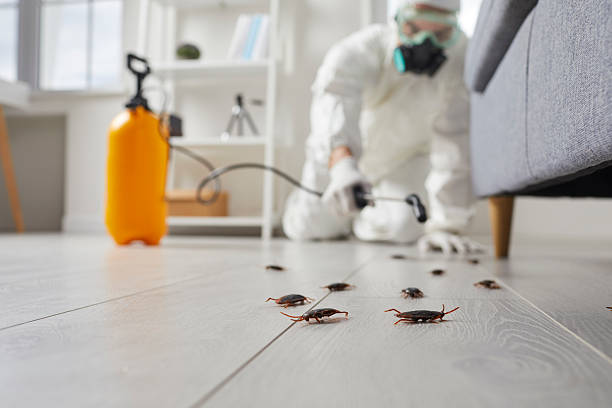
Monthly service programs for food service facilities in Park City - gel bait and non-chemical methods in food-contact areas, health department-formatted service documentation, station maps, and historical service logs for compliance records.
Call to Schedule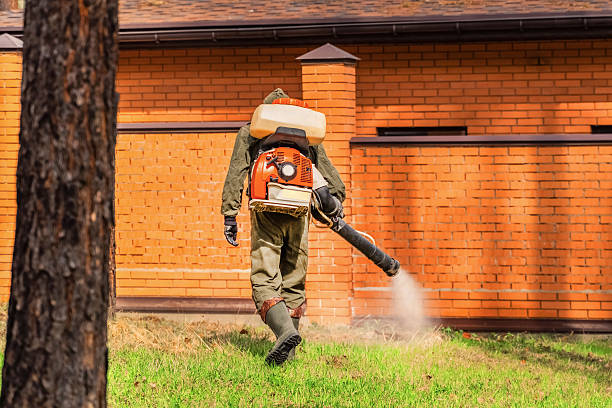
Scheduled follow-up refreshes bait placements, re-inspects all harborage zones, and confirms population trend before the account is closed. Bait that degrades before the population is eliminated is bait that needs refreshing - not ignored.
Call to ScheduleThe Process
Phone assessment documents the infestation history, rooms involved, and any prior treatment attempts that did not resolve the problem.
The first 10 minutes of every inspection are species identification. German or American cockroach determines everything that follows - product, placement, and follow-up schedule.
Protocol selected based on species: gel bait and void injection for German cockroaches, perimeter barrier and exclusion for American cockroaches. Applied in the correct locations, not a default pattern.
Scheduled follow-up refreshes bait, re-inspects harborage zones, and confirms population trend to zero. We do not close an account based on how it feels - we close it based on what the data shows.
Client Outcomes in Park City
Two previous companies treated my kitchen with spray. Neither time did they look inside the cabinet hinges or behind the dishwasher motor. Show Me Pest Control found the German cockroach colony behind the dishwasher motor housing on the first inspection. Gel bait placed inside the void - cleared in one treatment plus follow-up. I would still be getting sprayed every month by the other company.
Monthly spray for 8 months with continued activity in our prep kitchen. Show Me Pest Control identified the problem on the first visit: the previous bait was a brand cockroaches had learned to avoid, and the spray applications were contaminating the bait placements anyway. New bait, placed inside the harborage zones rather than on the surfaces. Activity cleared in under two weeks. That was the difference.
I kept finding large cockroaches in the bathroom at night and the previous company told me I had German cockroaches. They treated indoors with spray and the problem continued for months. Show Me Pest Control identified American cockroaches from the size, the evidence near the drain, and the absence of egg cases indoors. They treated the exterior perimeter and sealed two gaps around the floor drain. Zero sightings after the first treatment.
Common Questions
German cockroaches are small (1/2 to 5/8 inch), light brown with two dark stripes, and live entirely indoors - breeding in kitchen and bathroom voids, under appliances, and inside cabinet hinge spaces. They do not come in from outside; they are an established indoor population that grows entirely within the structure. American cockroaches are large (1.5 to 2 inches), reddish-brown, and live outdoors in warm moist environments. They enter structures at night to forage and return outside. The treatment difference is significant: German cockroaches require gel bait inside harborage zones and void injection. American cockroaches require exterior perimeter barrier application and entry point exclusion. Treating German cockroaches with an exterior spray produces no result. Treating American cockroaches with interior gel bait addresses temporary visitors rather than the outdoor population that continues entering.
Recurring cockroach activity after treatment in Park City almost always traces to one of three causes. First: species misidentification - the protocol applied did not match the species present. Second: gel bait contamination or misplacement - bait applied on travel surfaces (not in harborage zones) or contaminated by repellent spray products becomes ineffective or unattractive. Third: missed harborage zones - an established German cockroach colony in a wall void or appliance motor housing will survive surface treatment and repopulate the treated area within weeks. A post-failure assessment by Show Me Pest Control identifies which of these factors is responsible and corrects the protocol before re-treatment. Call +1-866-315-0243 to schedule an assessment of what the previous treatment missed in Park City.
For German cockroach elimination, professional gel bait correctly placed inside harborage zones consistently outperforms spray application - because gel bait reaches the colony through the transfer mechanism, while spray can only kill individuals that cross the treated surface. An established German cockroach colony living inside a wall void or appliance housing will never come into contact with a surface spray but will be reached by gel bait consumed by foraging workers and carried back to the colony. For American cockroaches, the relevant treatment is a non-repellent perimeter barrier - gel bait placed indoors does not address an outdoor population. The answer to "gel bait vs. spray" depends entirely on which species is present and whether the harborage zone is accessible to either product. This is why species identification and harborage assessment precede every protocol decision at Show Me Pest Control in Park City.
Yes. Commercial kitchen cockroach management is a distinct service from residential treatment in Park City, structured around the zero-tolerance standard and documentation requirements of health department compliance. Treatment in food-contact areas uses exclusively gel bait and non-chemical approaches. Service visits are documented in health department-formatted logs, station maps are maintained, and historical service records are available for inspection. Monthly service frequency is standard for commercial food service based on the ongoing monitoring requirement. Show Me Pest Control's commercial kitchen program in Park City is specifically structured to produce documentation that health departments accept and to maintain the zero-activity standard that commercial food service operations require. Call +1-866-315-0243 to discuss your facility's specific needs and compliance requirements.
For a correctly applied professional gel bait in a German cockroach infestation, visible population reduction typically occurs within 5 to 10 days of application. The transfer mechanism - foraging workers consuming bait and carrying the active ingredient back to the harborage zone - reaches the colony within the first several days. Population activity usually drops noticeably within one week and continues declining through the follow-up period. The follow-up inspection at 2 to 3 weeks reviews all harborage zones for residual activity and refreshes any bait that has been consumed or degraded. For large or heavily established infestations, a second bait application may be warranted at the follow-up. Timeline varies based on the infestation extent, the harborage zone locations reached, and the bait formulation used.
Gel bait for German cockroaches is applied in minute quantities inside harborage zones that household members and pets do not access. Post-treatment re-entry timing is typically brief - we will specify this at the service visit. For households with specific concerns, call +1-866-315-0243 and we will review the products and placements planned for your Park City home before scheduling. Commercial kitchen treatments use only products and placement approaches labeled for food-handling environments.
Whether you have German cockroaches breeding in your walls or American cockroaches entering from outside, Show Me Pest Control's technicians in Park City identify the species first and apply the matching protocol. Call now to schedule.
Call +1-866-315-0243 Now